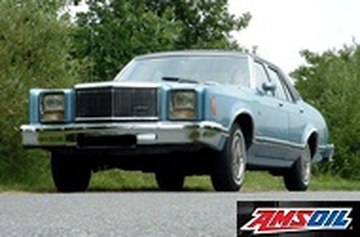
Maintaining Lubrication Standards for the 1980 Mercury MONARCH 4.1L
Proper engine maintenance is a cornerstone of long-term vehicle health, particularly when managing an engine from the early 1980s. For the 1980 Mercury MONARCH equipped with the 4.1L engine, consistent attention to lubrication and routine inspections can help ensure the mechanical components continue to operate as intended. While modern vehicles often feature automated monitoring systems, older engines require a more hands-on approach from the owner to monitor fluid integrity and component condition.Monitoring Fluid Integrity and Potential Leaks
One of the most effective ways to oversee the health of the 4.1L engine is through regular visual inspections for fluid seepage. Over time, various gaskets and seals may experience changes in their ability to maintain a tight seal due to heat cycles and age. When performing routine checks, it is useful to look for any signs of oil residue around the engine block or at connection points. If you notice wetness or dark staining on the underside of engine components, this may indicate that a seal or gasket is beginning to seep. Rather than assuming a specific part has failed, these observations should be treated as indicators that closer inspection is required. Additionally, checking the level and clarity of the oil during every service interval allows you to monitor for any unusual consumption patterns. If the oil level drops more rapidly than expected between services, it warrants a thorough investigation into potential sources of loss.Observing Operational Indicators
Beyond visual inspections of the engine bay, paying attention to how the vehicle behaves during operation can provide valuable information regarding its lubrication status. Changes in mechanical sounds or the appearance of exhaust gases can sometimes be associated with changes in the engine's internal environment. For instance, if you notice unusual noises that were not previously present, it could be related to the lubrication state of various moving parts. Similarly, any changes in the color or consistency of the oil on the dipstick—such as a milky appearance—should be investigated immediately, as this can indicate contamination from other fluids. While symptoms like smoke from the exhaust can have many different causes, they are often worth noting as part of a comprehensive maintenance history. Always remember that a single symptom does not provide a definitive diagnosis; instead, use these observations to guide more specific mechanical inspections.Prioritizing Maintenance Based on Current Condition
For an owner of a 1980 Mercury MONARCH, the most effective maintenance strategy is often based on the actual condition of the vehicle rather than strictly following age-based assumptions. Because every vehicle has experienced different operating environments and levels of care, it is more practical to prioritize tasks based on what the engine currently requires. If you are stepping into ownership without a complete service history, establishing a maintenance baseline is a wise first step. This involves performing a comprehensive inspection of all fluids, belts (if equipped), and hoses to determine their current state. Once you have identified any active issues—such as minor leaks or aging rubber components—you can address those needs before moving on to purely preventive measures. Keeping a detailed log of when oil is changed, which products are used, and what inspections were performed will help you distinguish between necessary repairs and unnecessary parts replacement.Managing Aging Engine Components
As vehicles age, certain materials naturally undergo changes. For the 4.1L engine, this may include the condition of various rubber-based components or electrical connections. If equipped, accessible drive belts should be inspected for signs of deterioration such as cracking, glazing, or fraying. Similarly, if the vehicle is present with cooling hoses, checking them for softness, brittleness, or bulging is a prudent part of a routine service. It is also beneficial to inspect electrical connectors and wiring for any signs of corrosion or wear that could affect engine performance. Rather than replacing components simply because they are decades old, focus on inspecting those that show physical evidence of wear or environmental stress. This condition-based approach ensures that maintenance efforts are directed where they will provide the most benefit to the vehicle's continued operation.The Role of Consistent Lubrication Service
Maintaining a regular schedule for changing engine oil is essential for managing the internal environment of the 4.1L engine. Engine oil performs several vital roles, including reducing friction between moving parts and helping to manage the heat generated during combustion. Over time, oil can become contaminated by various substances or lose its ability to maintain its protective properties due to thermal breakdown. Regularly replacing the lubricant helps prevent the buildup of deposits that can interfere with mechanical movement. By staying proactive with lubrication changes, you help ensure that the engine remains protected against the gradual effects of oxidation and contamination. This practice is one of the most effective ways to support the longevity of the engine's internal components.Practical Advice for BUYING ENGINE OIL for your 1980 Mercury MONARCH 4.1L
When it is time to replenish your engine's lubrication, the most important step is to ensure the product you select matches the specific requirements for this application. Because different engines have unique needs regarding oil thickness and additive packages, you should not rely on general automotive knowledge or assumptions based on the vehicle's age. To ensure a correct match, always refer to the vehicle-specific oil viscosity and application information provided on this webpage. When you are ready to purchase, follow these steps:- Match the Viscosity: Use only the specific SAE viscosity grade listed in the application information above. Do not substitute with a different grade unless explicitly directed by the technical data for this engine.
- Verify API Certification: Check the product label to ensure the oil meets current API service standards, which confirm the oil has been tested for quality and performance.
- Consider Formulations: Depending on your specific needs, you may choose between conventional, synthetic blend, or full synthetic oils. Some high-mileage formulations also contain additives intended for use in aging engines, including seal-conditioning additives that may be beneficial for older seals.
- Inspect the Label: Always double-check that the bottle's specifications align with the requirements shown in your vehicle's documentation before completing your purchase.